 Firefox
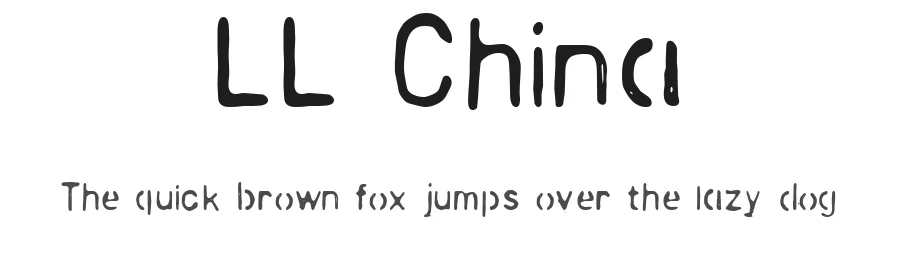
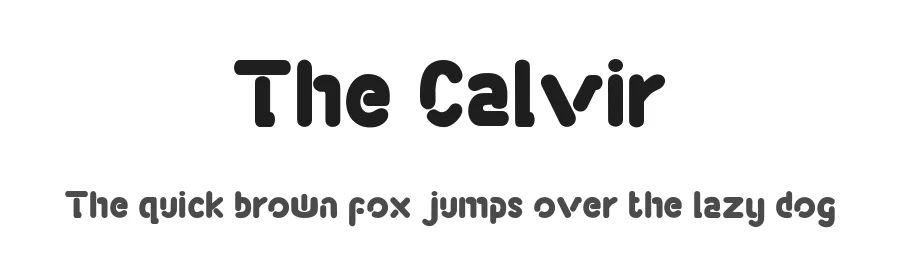
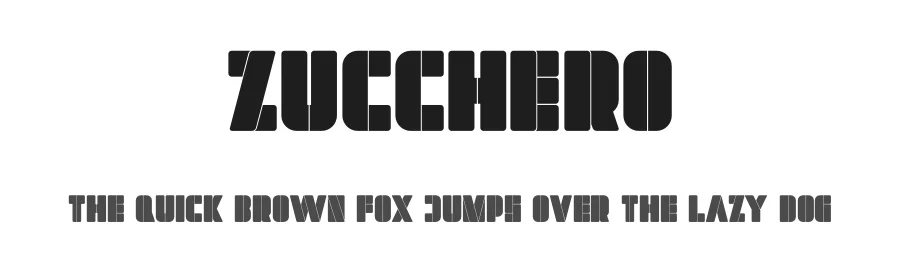
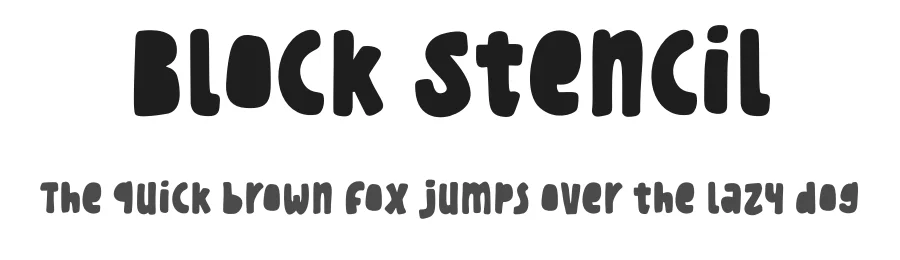
Types of graffiti typography
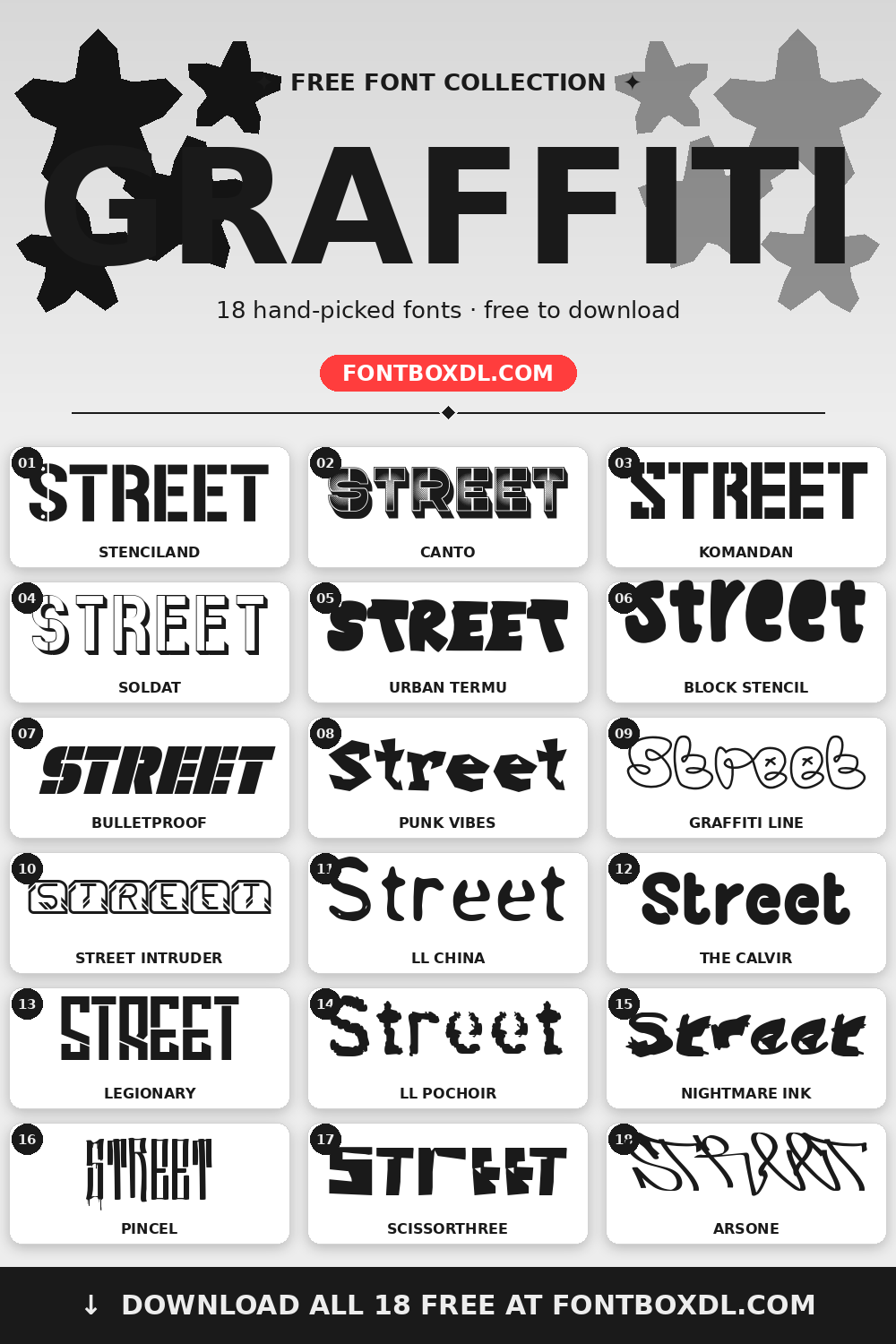
Real-world graffiti has its own taxonomy that translates into font categories:
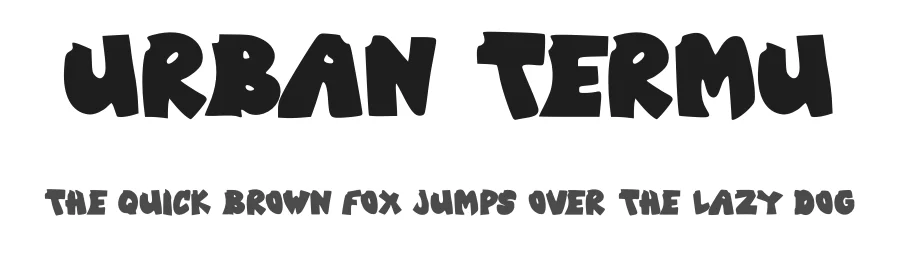
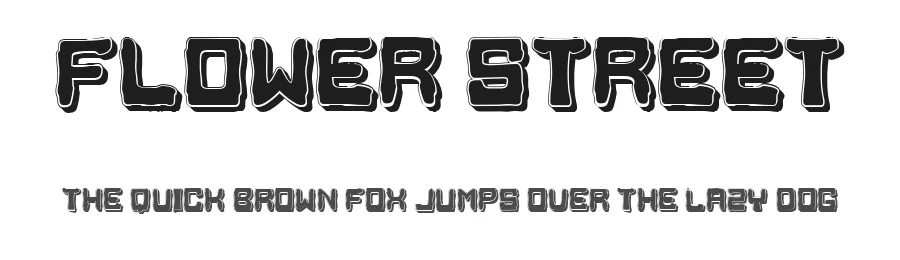
- Throw-up — rounded, bubble-like letters designed to be painted quickly. The most readable graffiti style and the easiest to use in design work.
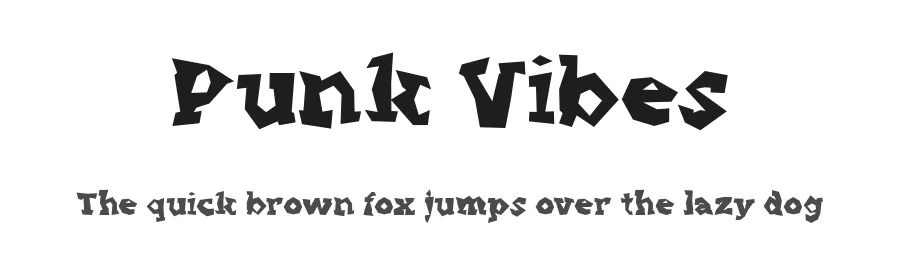
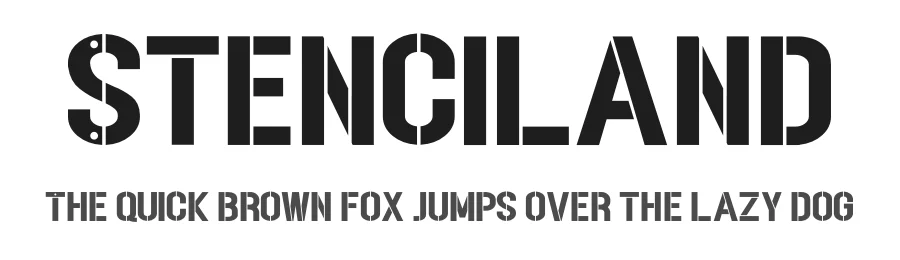
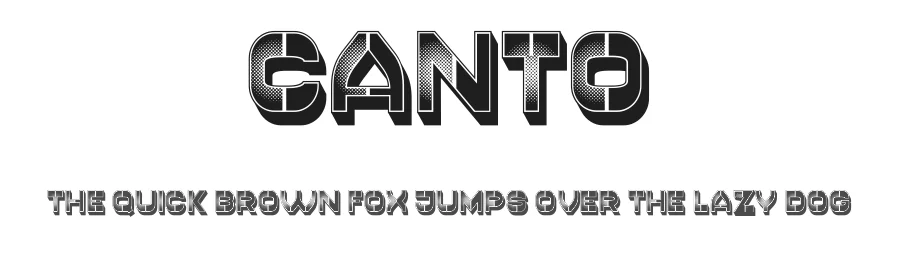
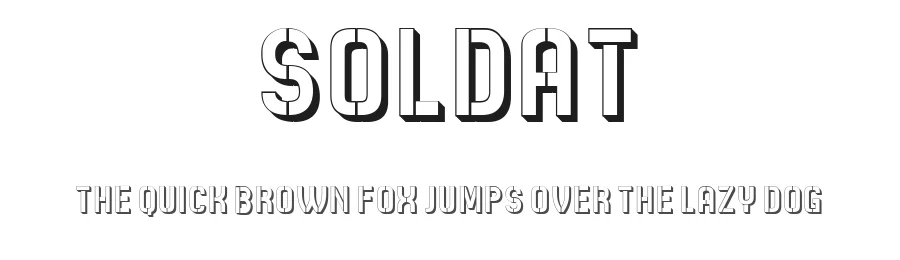
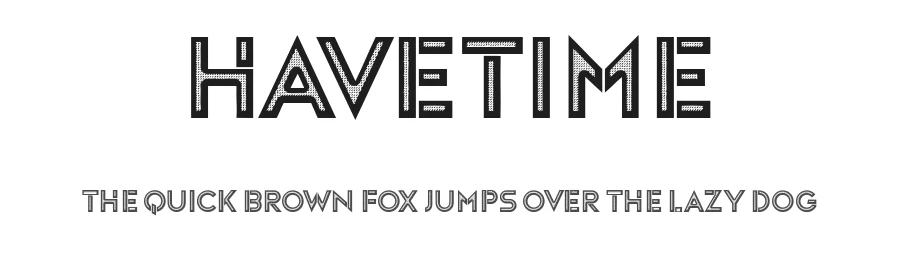
- Block — bold, geometric letterforms with strong outlines. Works well for posters and apparel.
- Wildstyle — complex, interlocking forms with extreme stylization. Often hard to read but visually striking for hero art.
- Tag — quick handwritten signatures. Marker-style fonts in this category replicate the look.
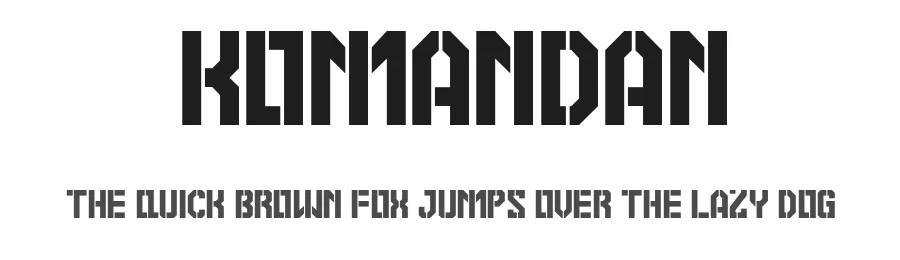
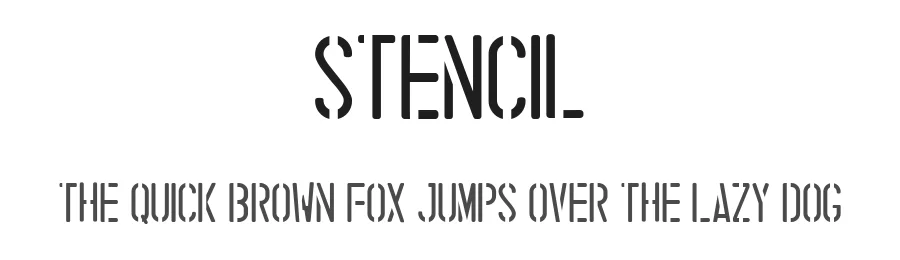
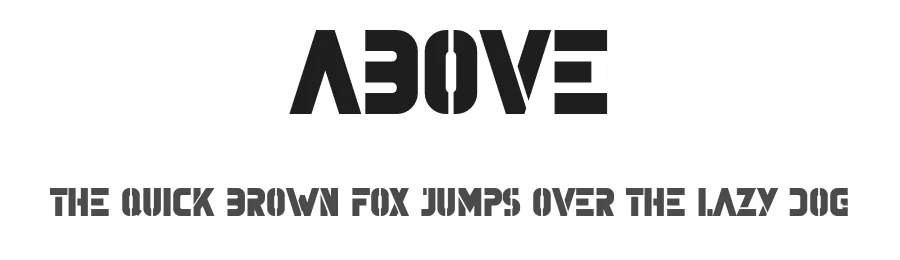
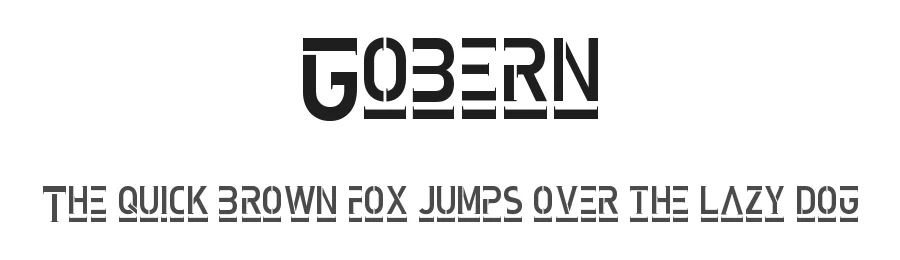
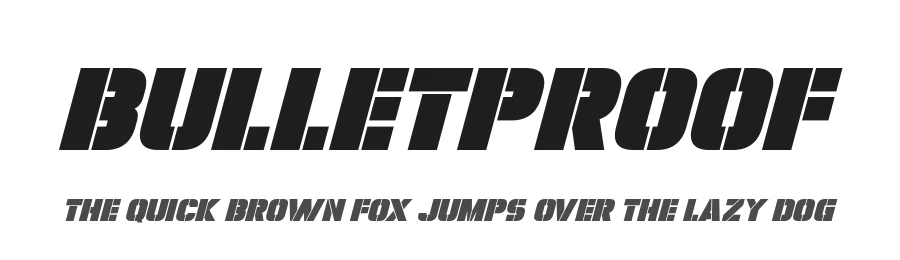
- Stencil — sharp, mechanical forms based on cut stencils. Popular for street-art posters and protest graphics.
Best use cases
- Hip-hop and rap album covers, mixtape art, single artwork
- Skateboard and BMX brand identities and merchandise
- Streetwear t-shirt graphics, hoodies, and accessories
- Concert and event posters in the punk, hardcore, and urban music scenes
- Gaming, esports, and youth-culture brand design
- Murals, wall art mockups, and editorial illustration headers
Print considerations
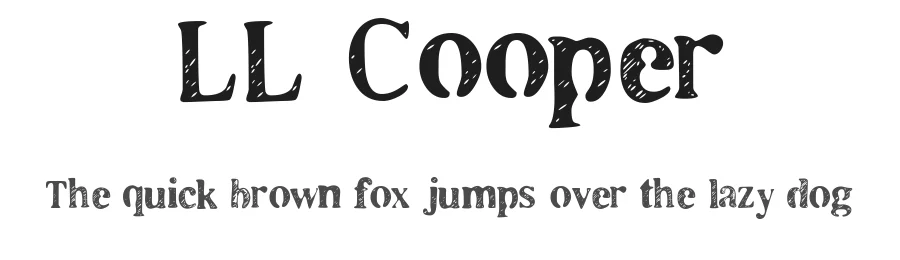
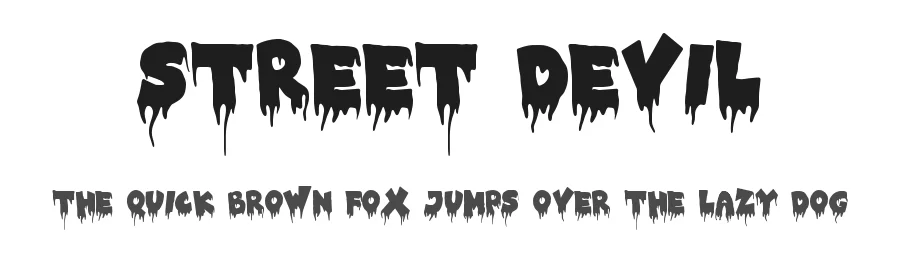
Many graffiti fonts include drip details, overspray textures, or rough outlines that look great on screen but can complicate production. For screen printing and DTG, simplify any extra-fine details. For vinyl cutting, choose fonts with clean solid forms rather than textured spray-paint variations — drip details fragment when cut. Most fonts in this collection list whether they're vector-clean or include raster textures.
Readability and accessibility
Wildstyle and complex graffiti fonts are intentionally hard to read — they're closer to illustration than typography. For functional design (event titles, navigation, product names), choose throw-up or block-style fonts in this collection. Reserve the more stylized wildstyle faces for hero artwork, single-word logos, or decorative elements where instant legibility isn't required.
License and credit
Every font here links to the original designer's license. Many are free for personal use, with commercial licensing available from the creator. Graffiti typography is closely tied to street-art culture — when using these fonts in commercial work, especially apparel or merchandise, confirming the license and crediting the designer (where requested) is good practice.